Skip to content

HollowHost Blog

Product announcements, deep dives into how we deploy AI Jobs, and engineering notes from the One-Click-Flare team.

Looking for the product documentation instead? Head over to doc.hollowhost.com.

Serverless Python Dependencies: Smaller AI Deployments

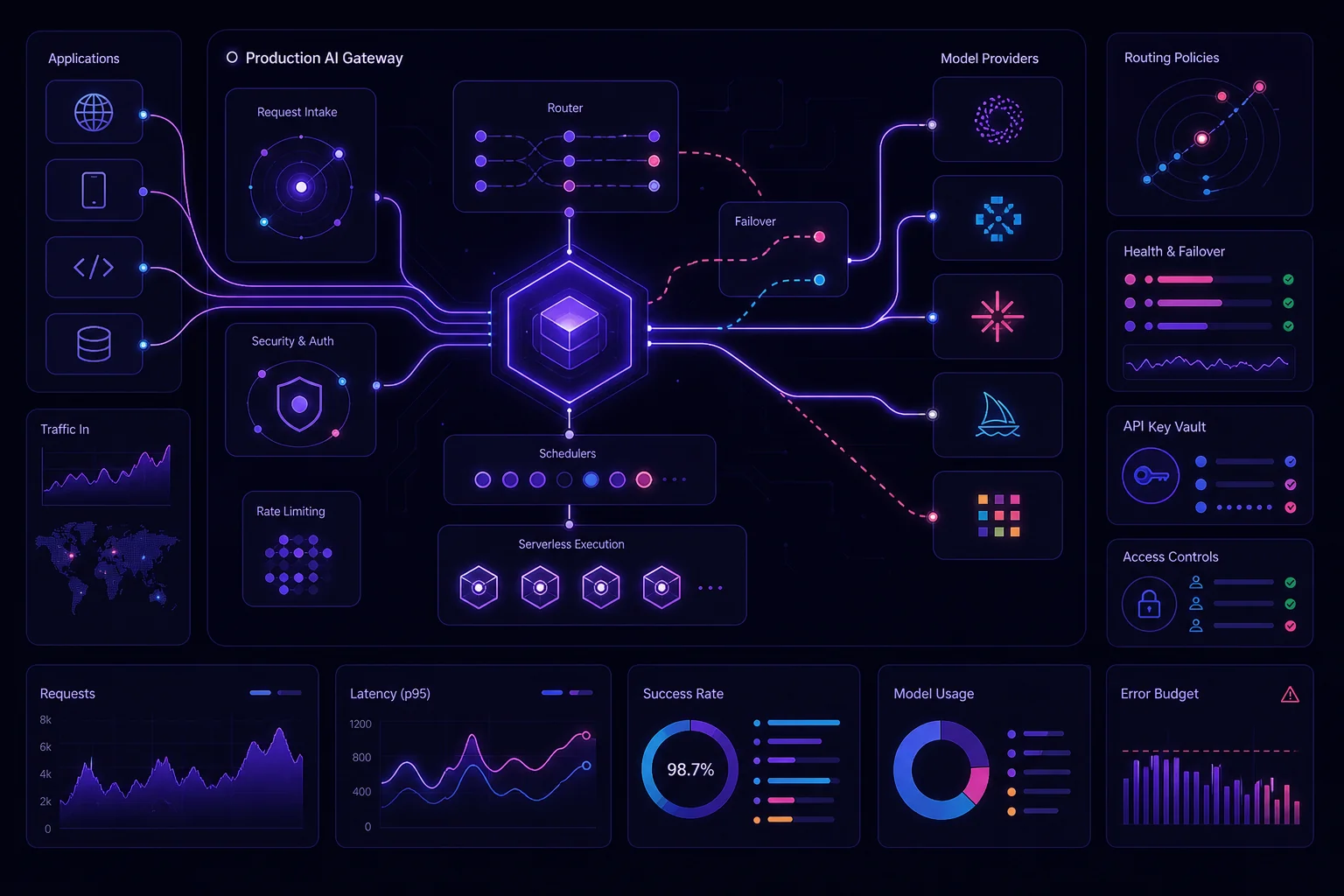
Serverless Python dependencies packaged into a smaller, reproducible deployment for an AI agent.

A Python agent that works locally can fail in Lambda because its dependencies were built for the wrong platform, changed between builds, or included files the runtime never needs. The fix is not another deployment wrapper. You need a controlled artifact: locked versions, Linux-compatible wheels, selective packaging, and a CI check that verifies two clean builds made from the same hashed inputs contain the same files.

Idempotent AI Jobs: Reliable Python Schedules

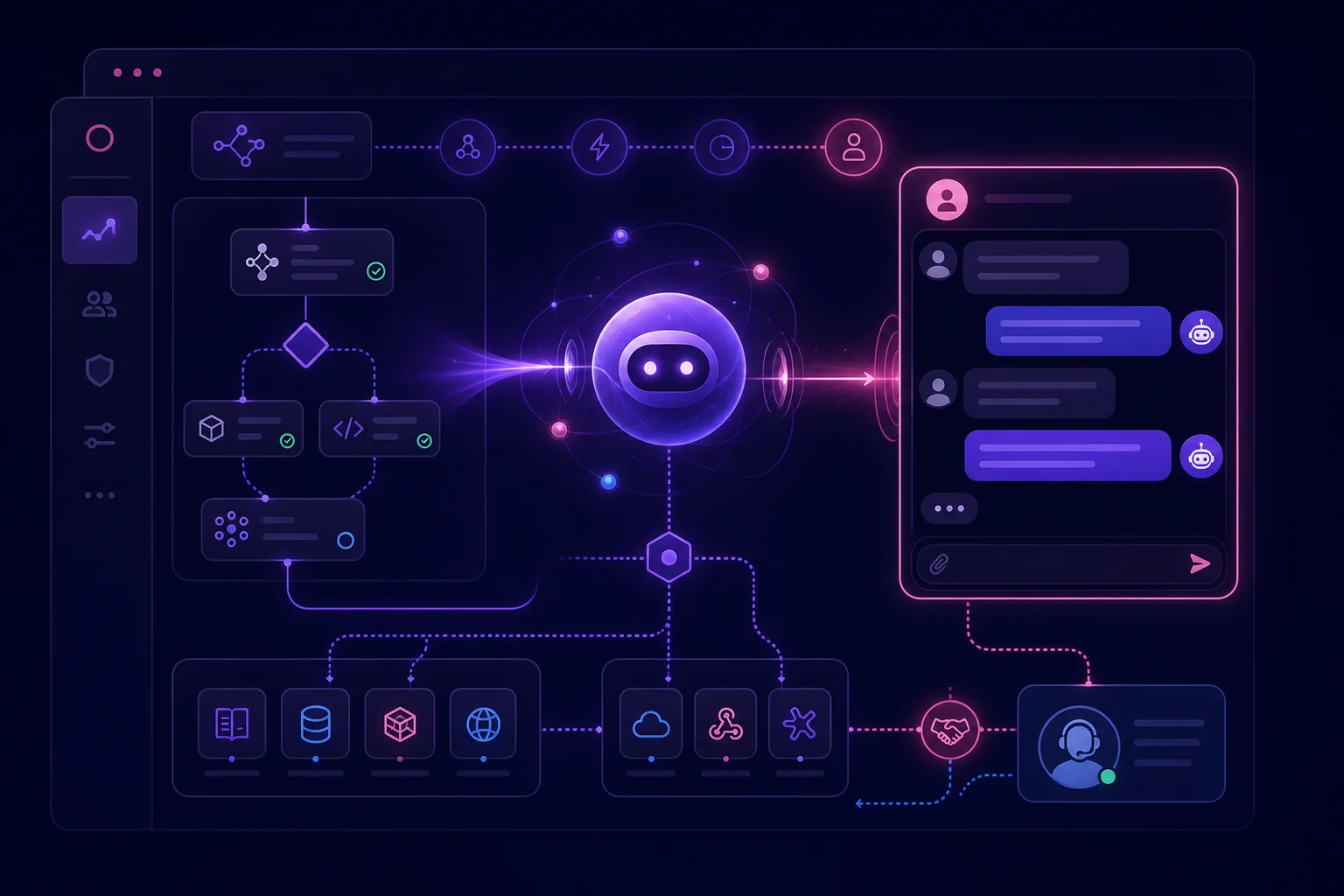
Idempotent AI jobs in Python running reliably through retries, deduplication, and scheduled execution.

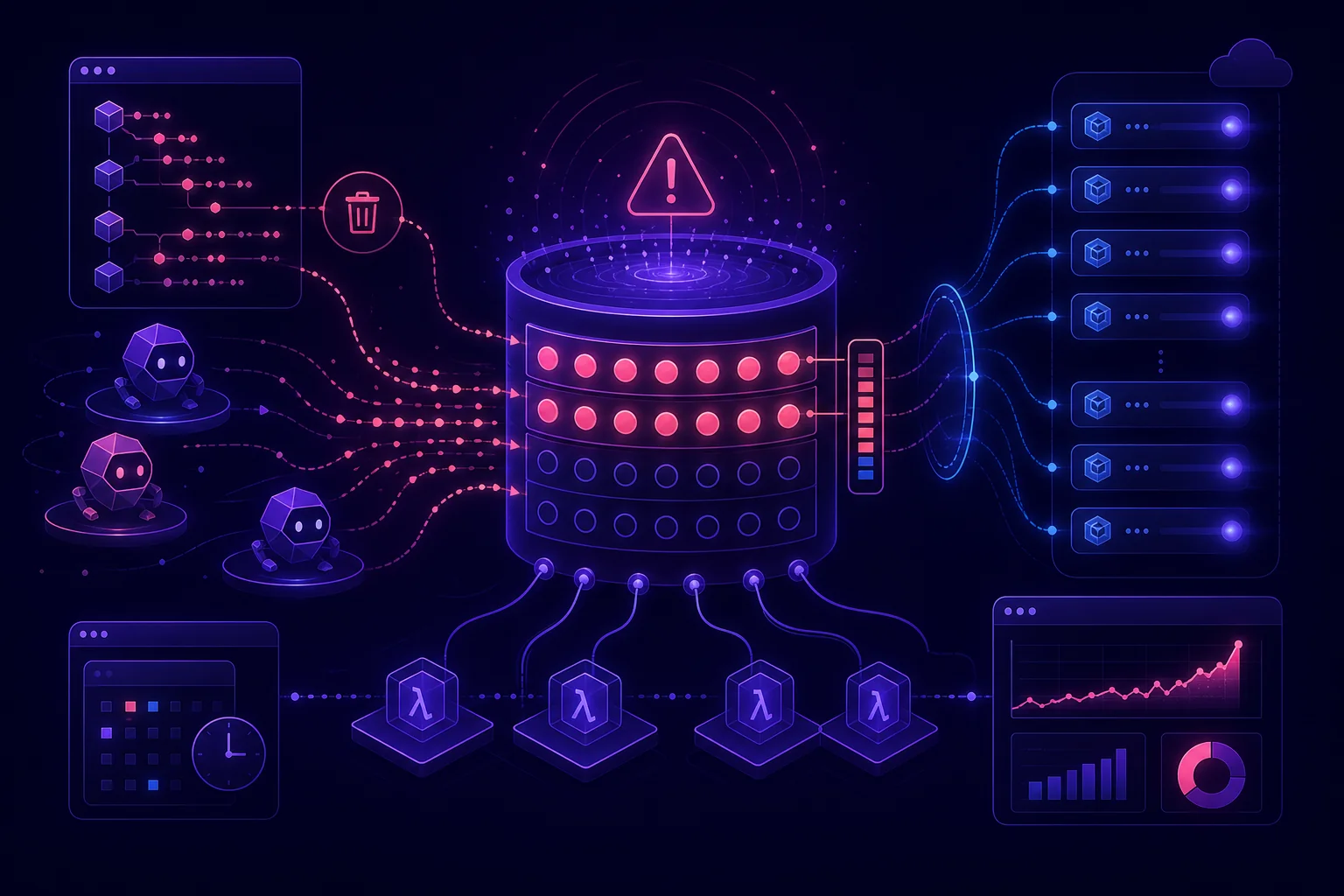
A scheduled AI job can run more than once. Depending on the scheduler and its retry policy, a worker may be retried after exceeding an execution deadline. Overlapping submissions are also possible. If a database connection drops around a commit, the caller may be unable to determine whether the transaction succeeded. If every attempt generates a new identifier or blindly inserts output, you get duplicate reports, repeated notifications, and inconsistent state.

CrewAI Sandbox: Isolated E2B Agent Execution

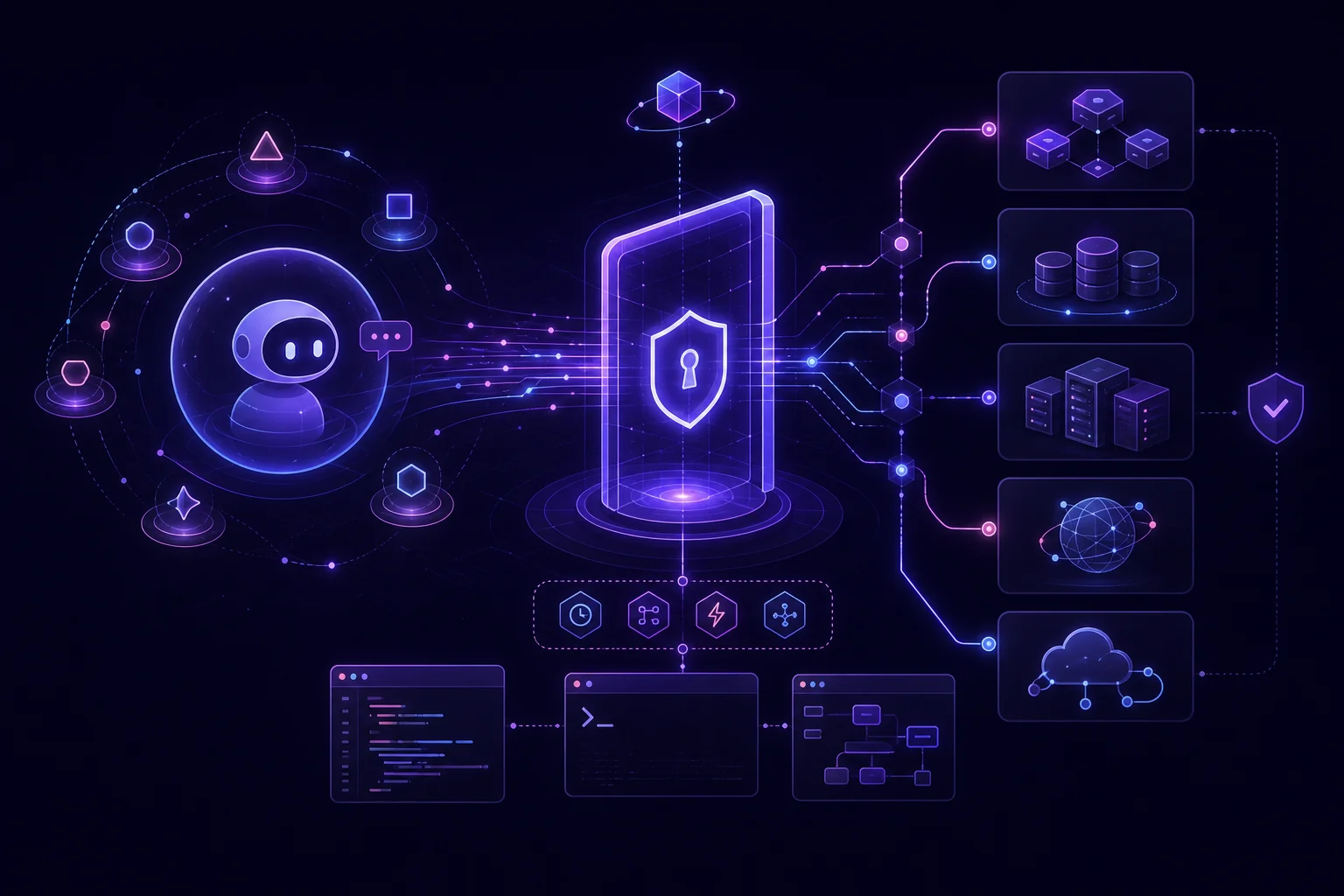
CrewAI sandbox with E2B isolates AI agent code execution in secure, ephemeral virtual machines.

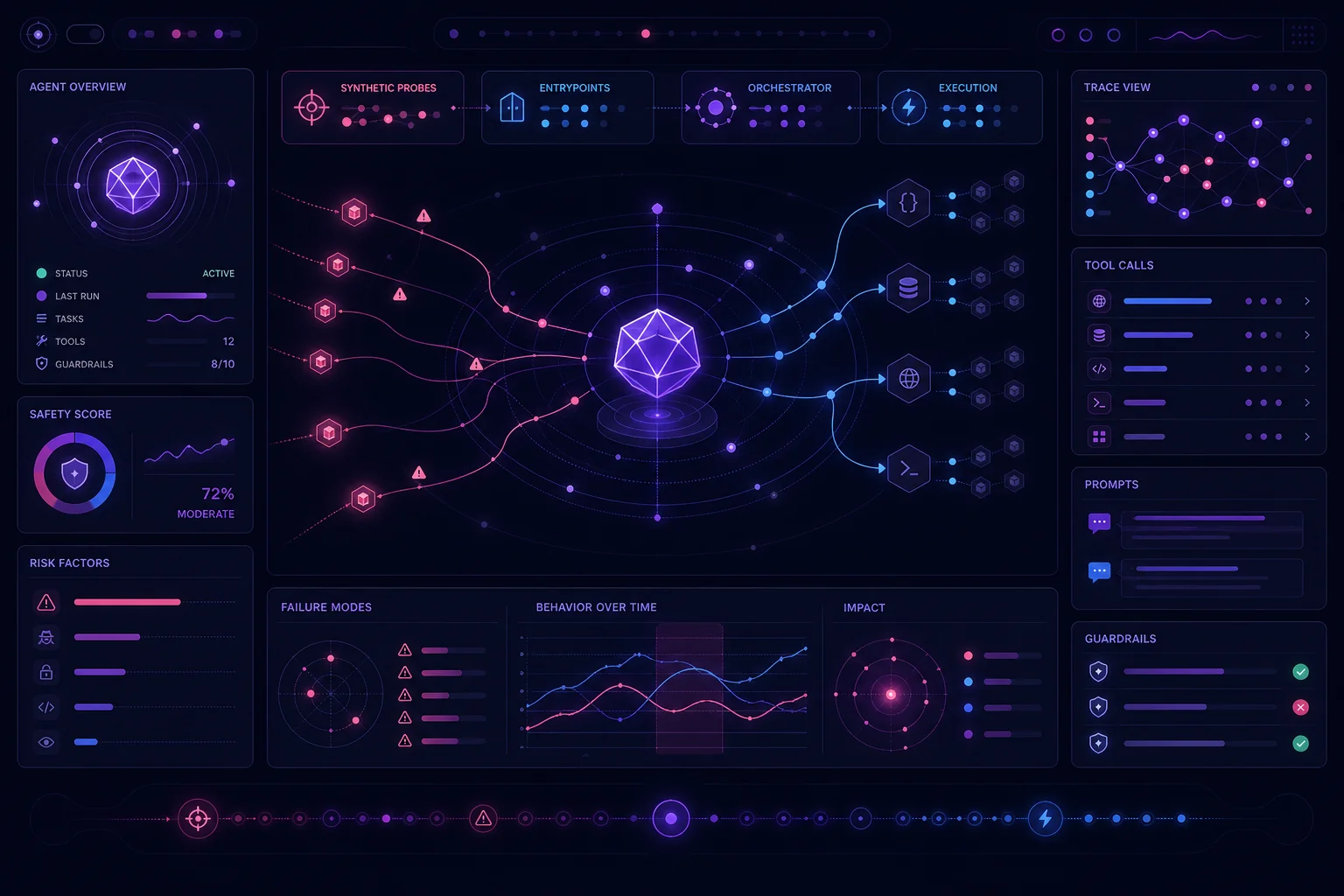
A CrewAI sandbox protects your host, but isolation alone is not enough. An agent can still execute unnecessary tools, send data over the network, or return malicious output to the next workflow step. The safe pattern is task-scoped: expose the minimum tool set, restrict egress outside CrewAI, validate every result, and destroy the environment when the task ends. This guide shows how to structure that boundary with CrewAI’s E2B tools.

AI Agent Frameworks: Claw vs Harness Architectures

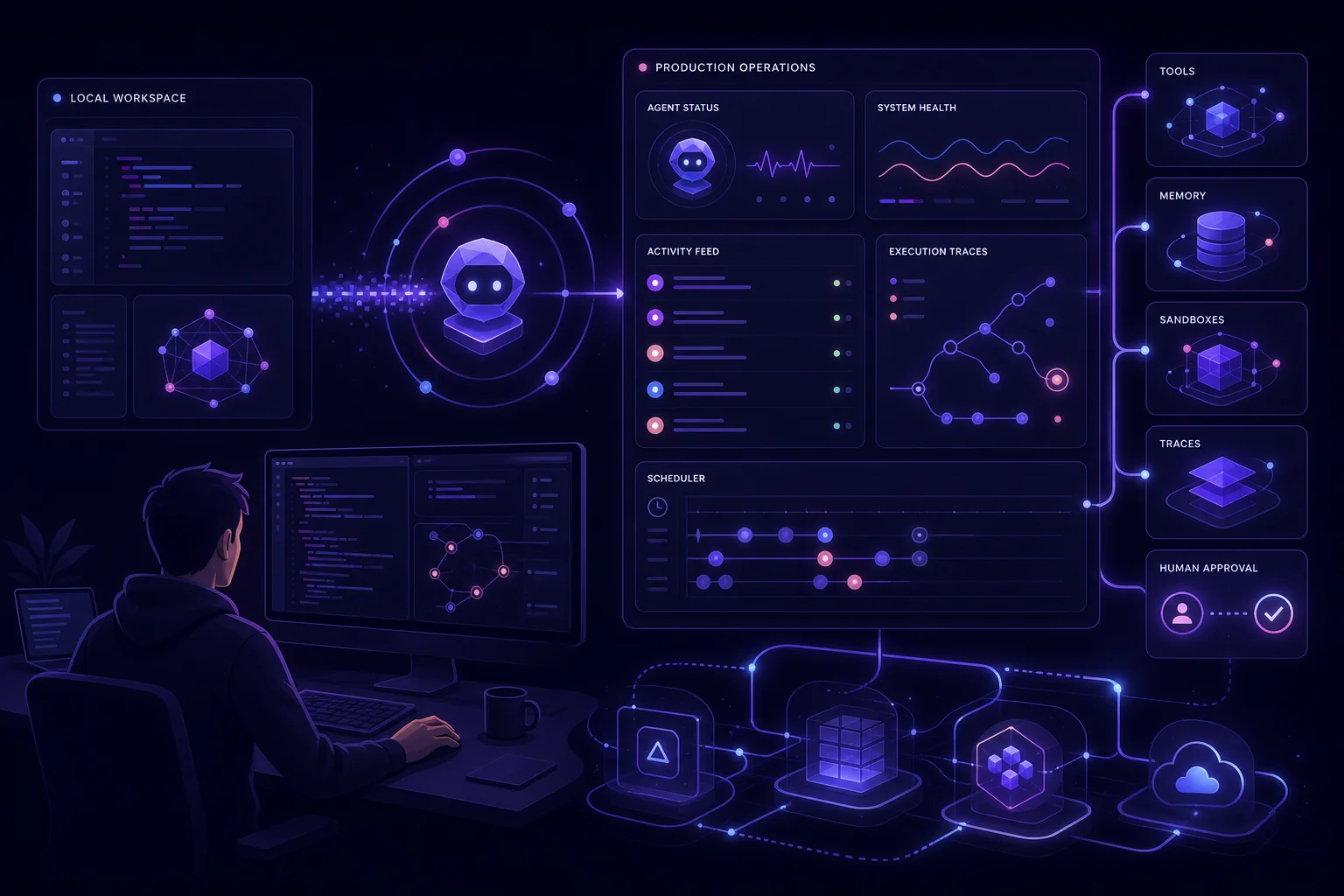
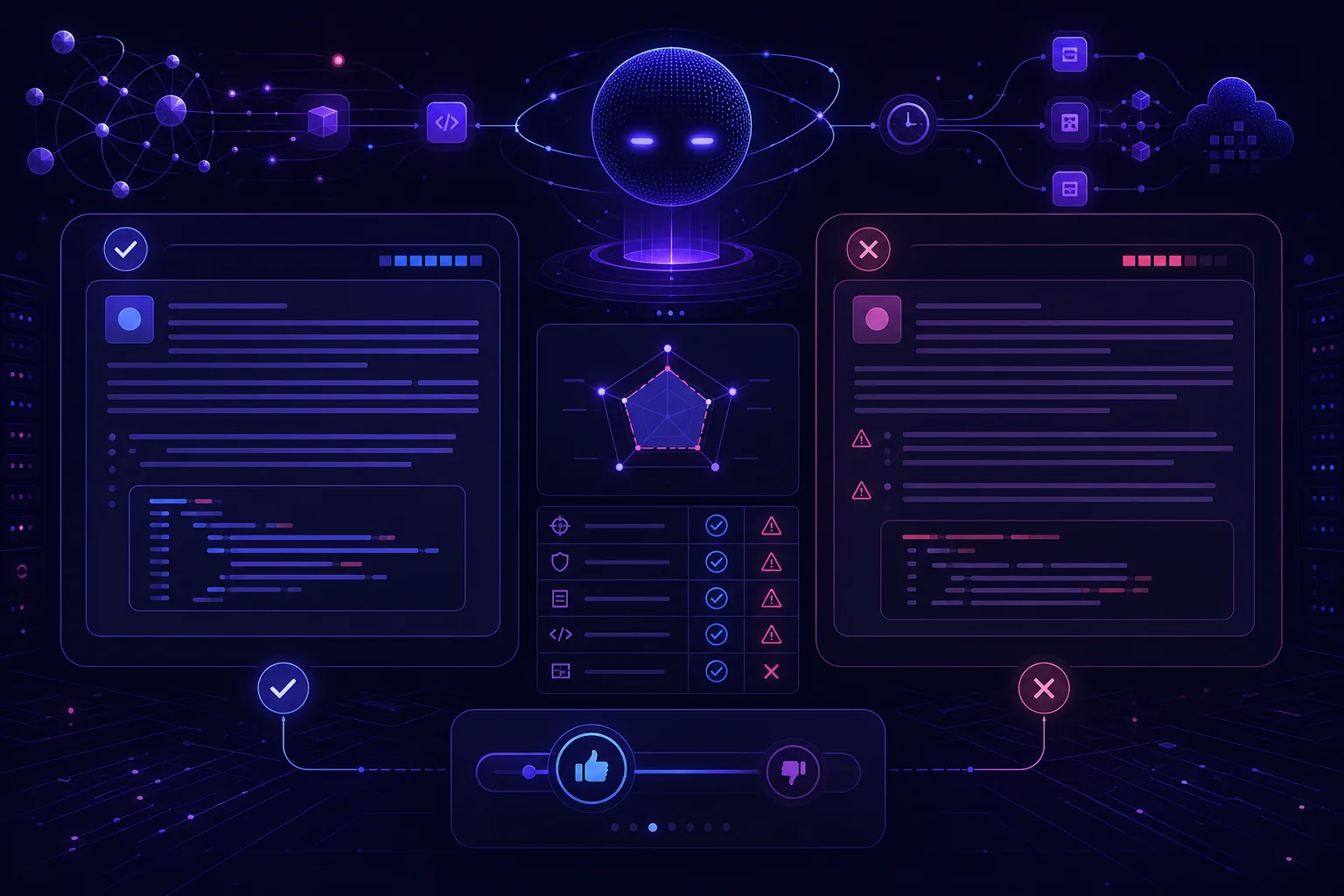
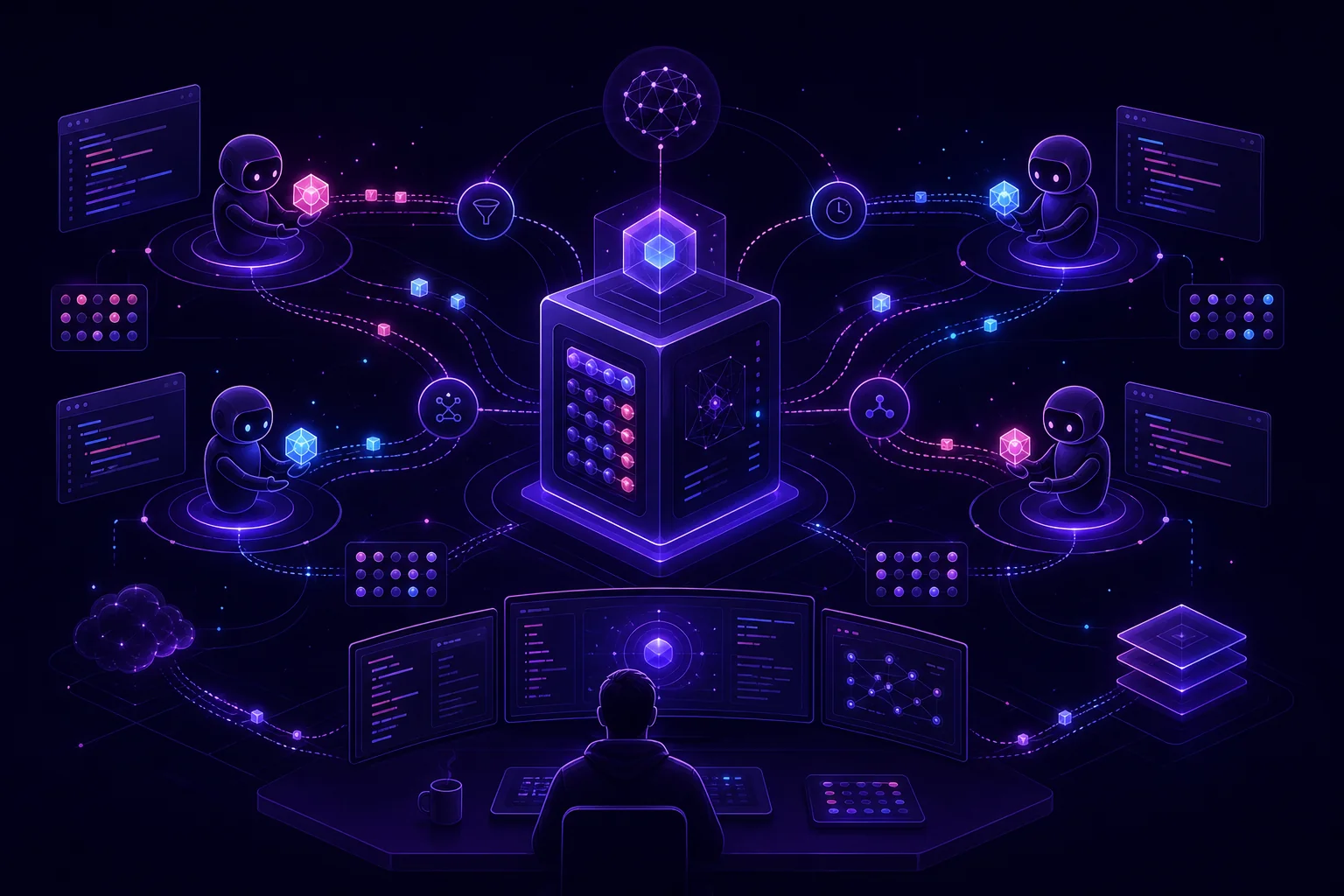
AI agent frameworks shown as a choice between autonomous claw-style agents and structured harness architectures for planning, tools, memory, and workflows.

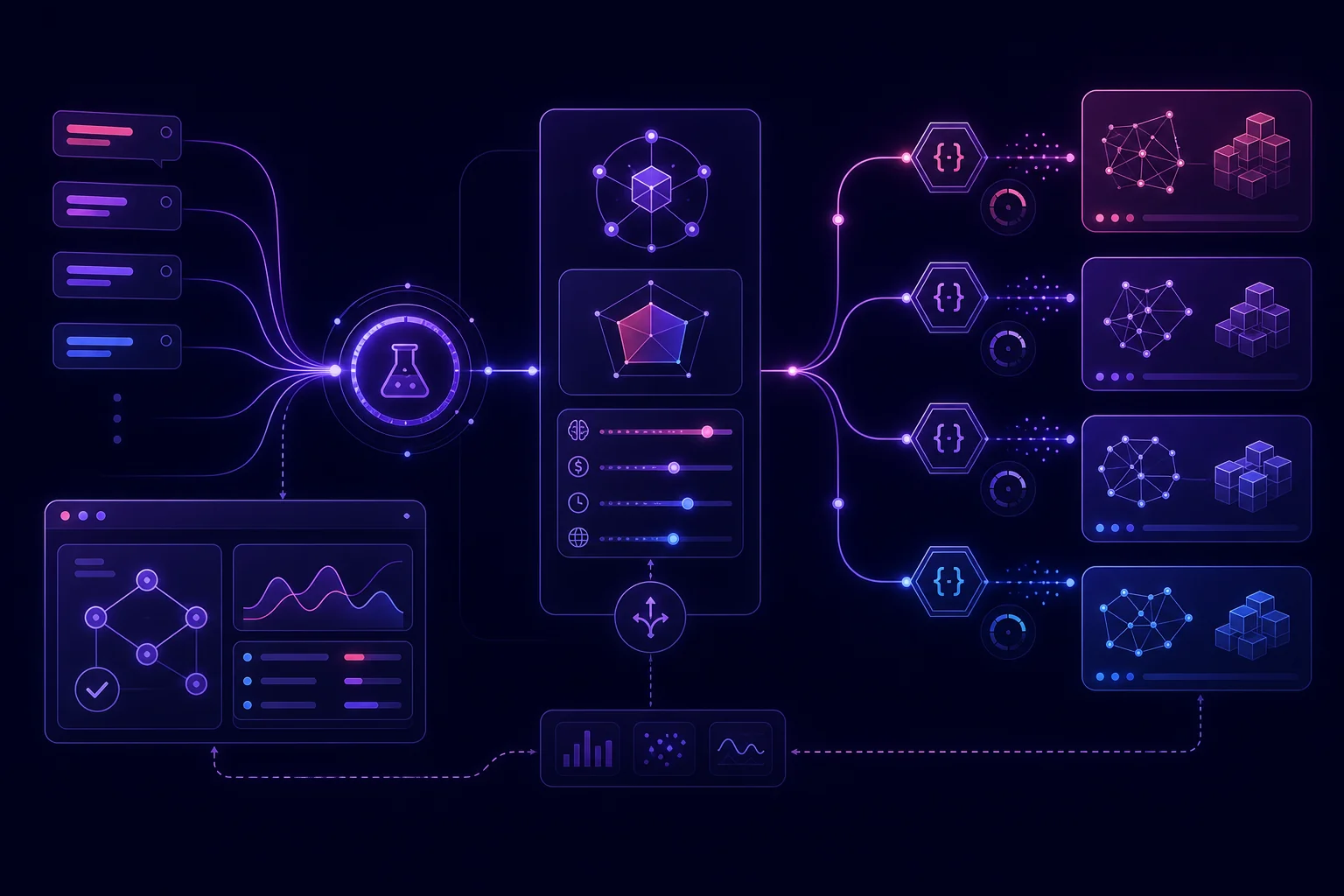
Choosing an AI agent framework is no longer just an SDK decision. The harder question is who controls execution: the agent or the runtime around it. A “claw” architecture gives a persistent agent broad autonomy. A harness constrains that agent with explicit state, permissions, checkpoints, and approvals. Neither pattern is universally better. Compare them across five operational criteria before committing your production architecture.

lambda timeout ai agent: Resumable Task Design

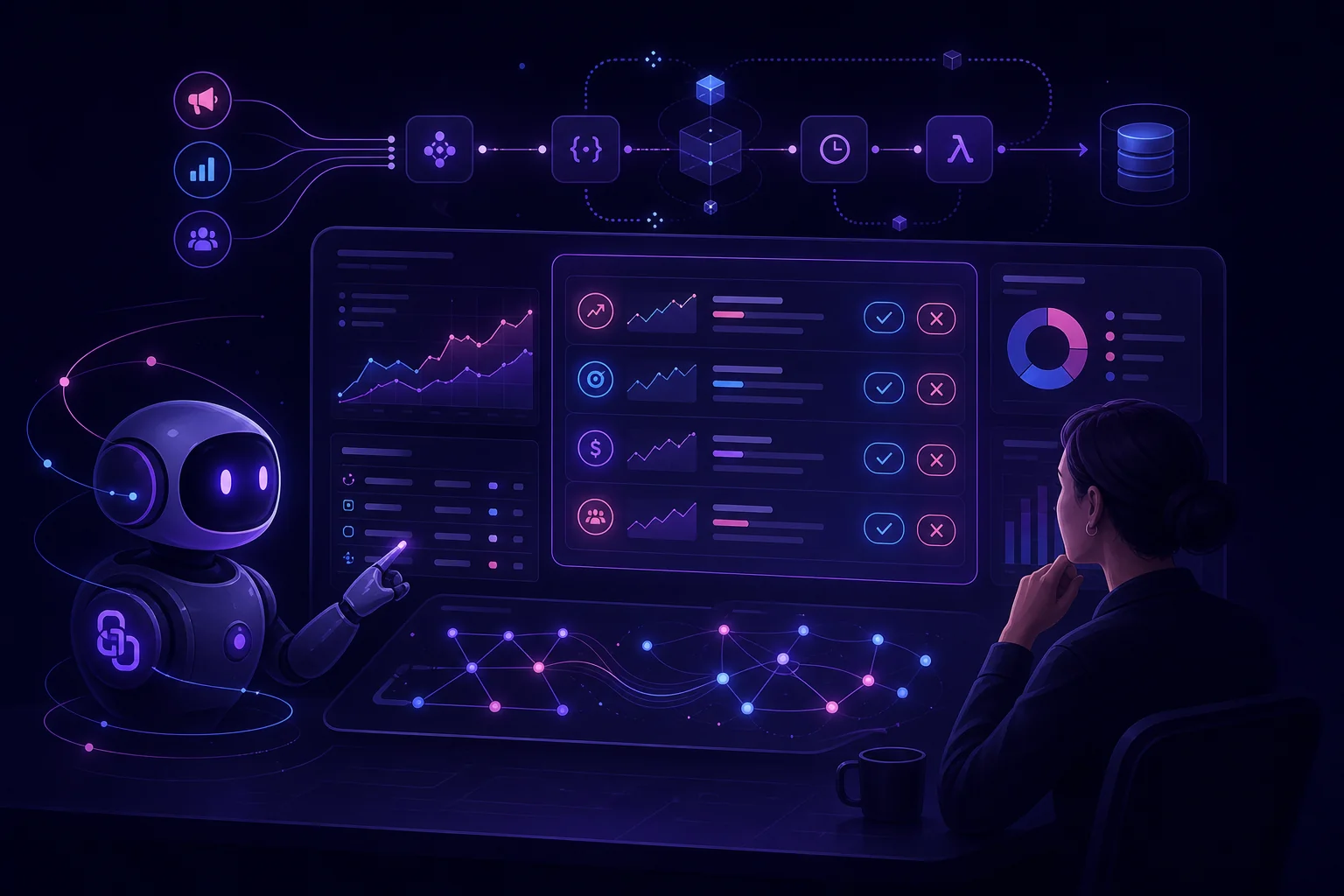
Lambda timeout AI agent workflow using resumable tasks to continue long-running work beyond the AWS Lambda execution limit.

Increasing the timeout is not enough when your AI agent may run longer than Lambda allows. Model latency varies. Tool calls stall. Input sizes grow. A reliable design splits the job into bounded steps, persists progress, and resumes from the last committed checkpoint. This guide shows how to build that execution model without repeating completed work or holding an HTTP request open.