Skip to content

HollowHost Blog

Product announcements, deep dives into how we deploy AI Jobs, and engineering notes from the One-Click-Flare team.

Looking for the product documentation instead? Head over to doc.hollowhost.com.

Inngest Architecture: One Durable Workflow Explained

Inngest architecture diagram showing event-driven durable workflows across the Event API, Runner, queue, Executor, State store, and Dashboard UI.

Inngest separates the event that requests work from the function that performs it. Between them, its architecture buffers events, schedules functions, applies flow control, persists progress, and retries failed steps. That matters when your serverless process stops mid-run or an external API fails.

Scaling AI Agents: Enterprise Bottlenecks Explained

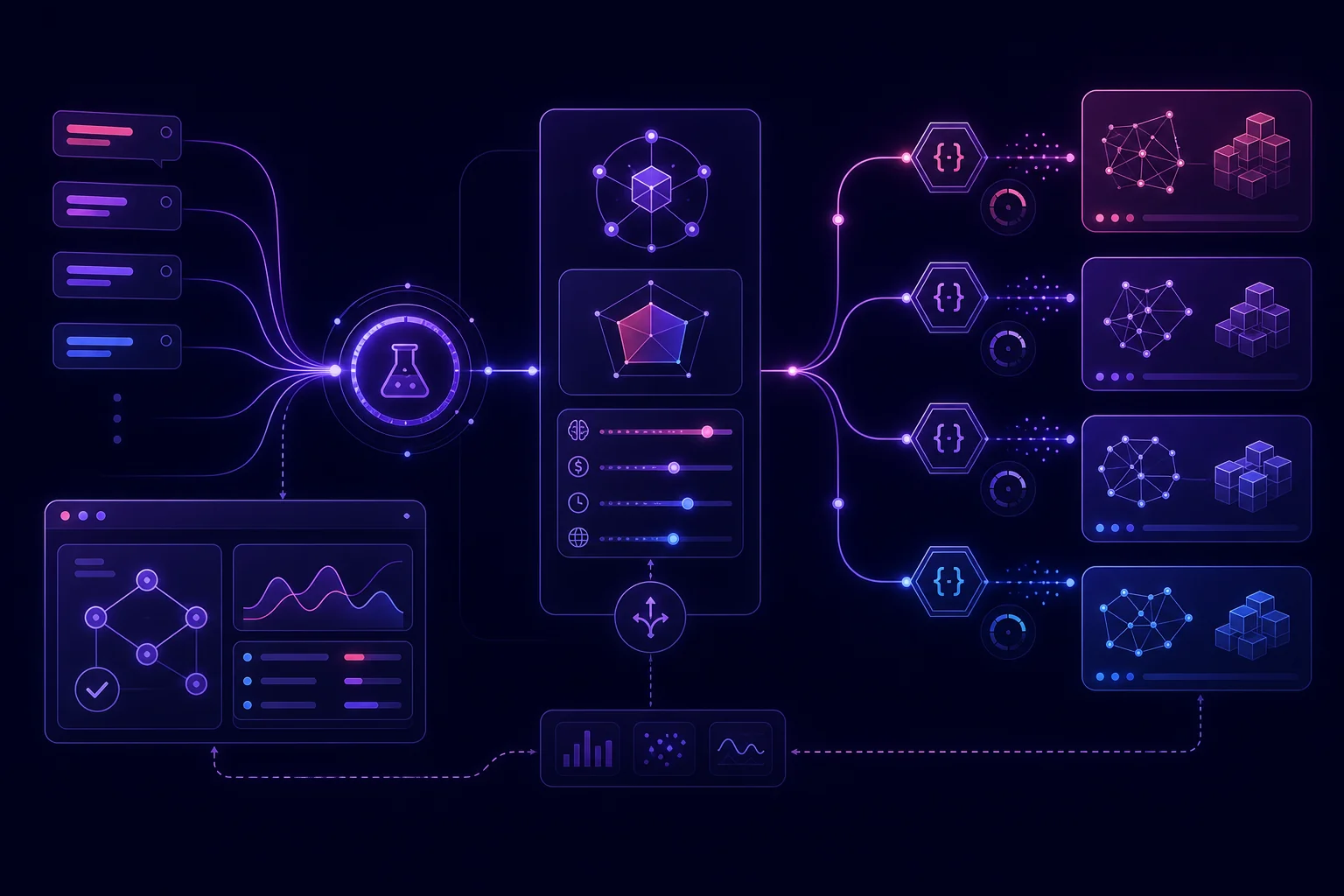
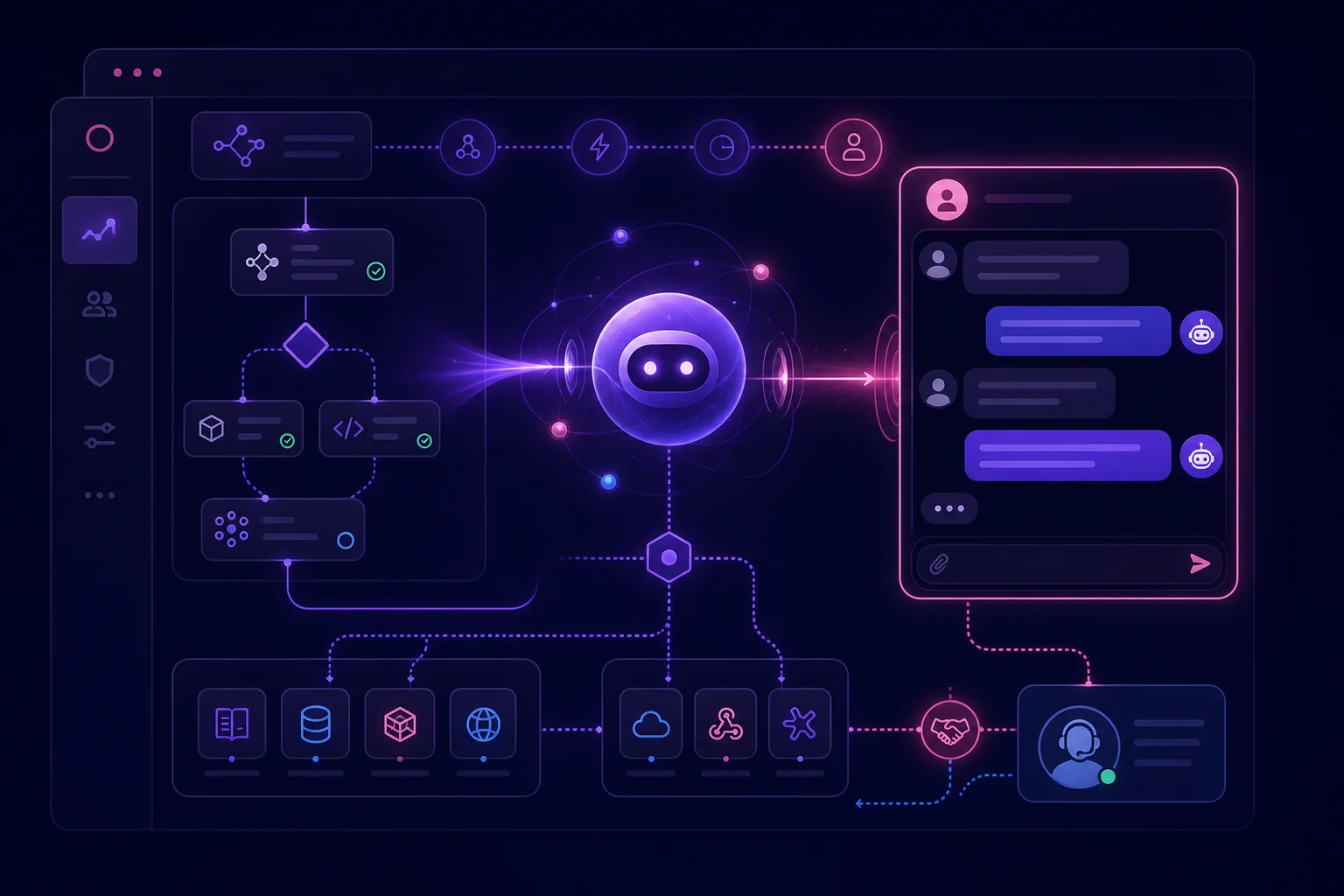
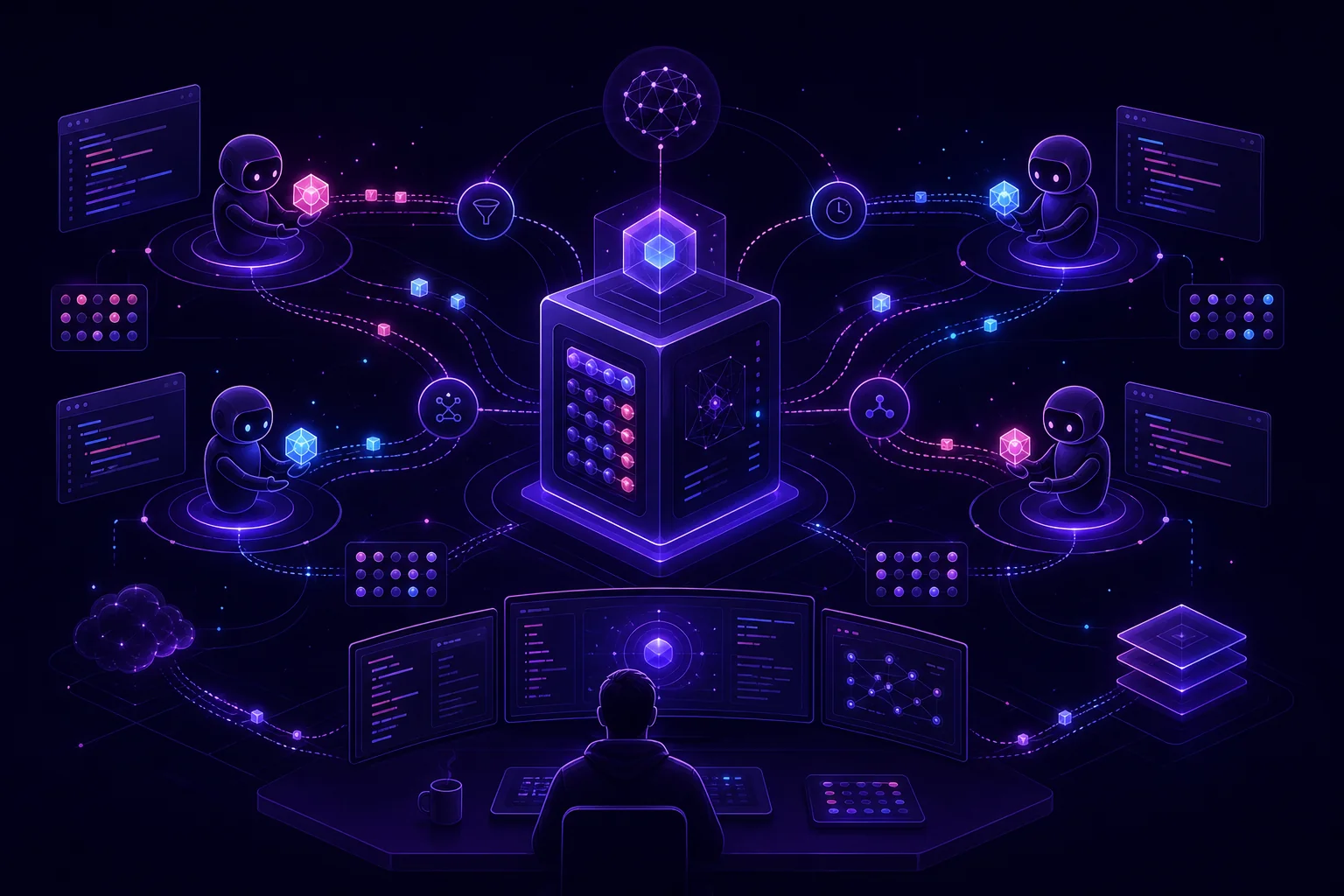
Scaling AI agents in large enterprises, with coordinated AI agents navigating architecture, governance, and workflow bottlenecks across Europe and the Middle East

Scaling AI agents is not mainly about running more model calls. It is about controlling a growing graph of queues, tools, data, retries, and human decisions. A pilot can hide weak ownership and fragile state management. An enterprise deployment cannot. For teams operating across Europe and the Middle East, you must also decide where data flows, when humans approve actions, which languages you support, and who responds outside regional working hours. This guide turns those concerns into an operational plan.

Deployment Tracking in Render: Use the New Deploys Page

Deployment tracking in Render's new Deploys page showing deployed versions and the version currently in production.

When production breaks after a release, your first question is simple: what code is running? For a Git-backed service, Render’s Deploys page provides deployment history and displays the associated commit for Git-triggered deploys, as described in Render’s deployment documentation. Render also exposes RENDER_GIT_COMMIT, which contains the Git commit SHA for a Git-backed service.

Autonomous SRE Agent for Kubernetes: Safe Rollbacks

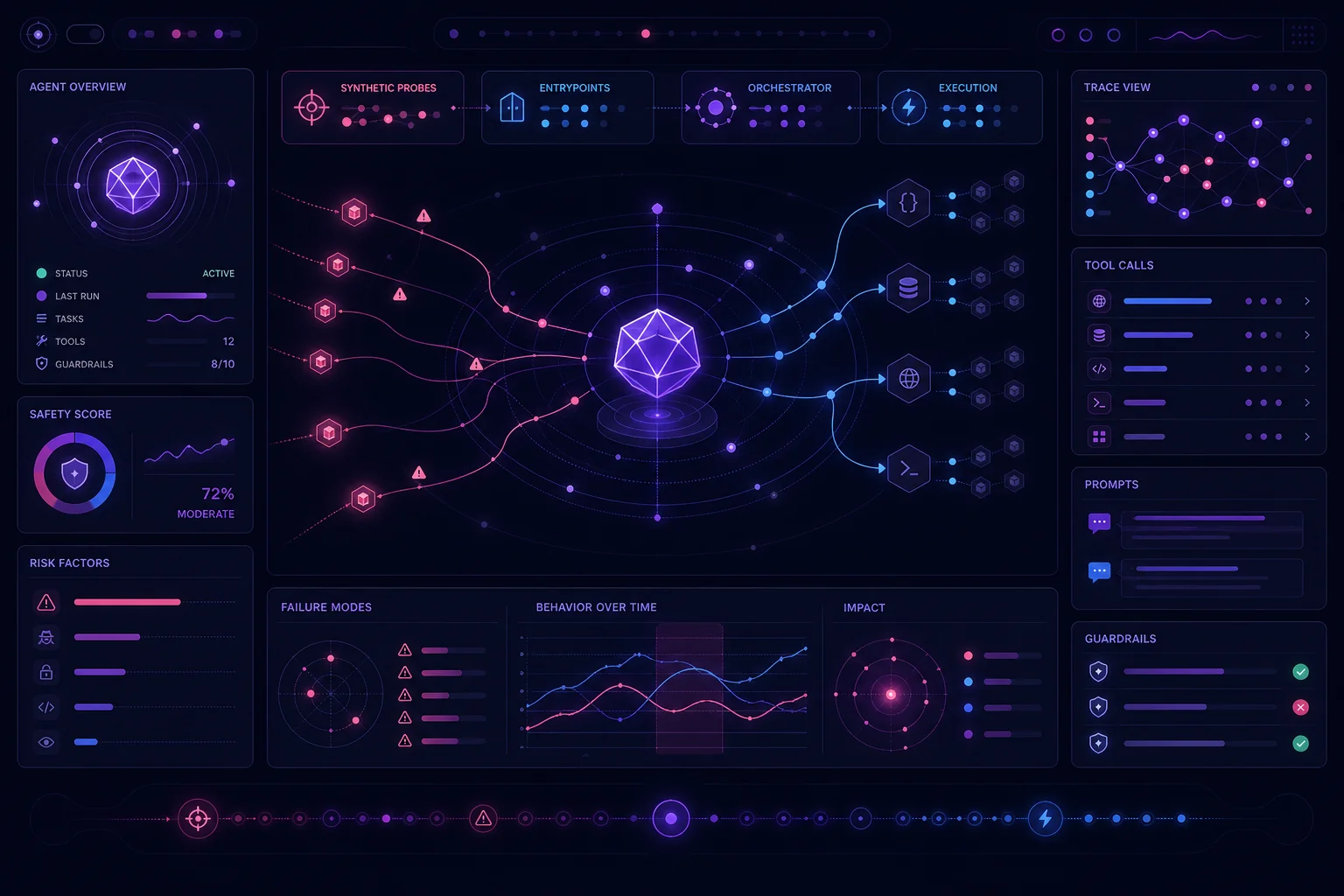
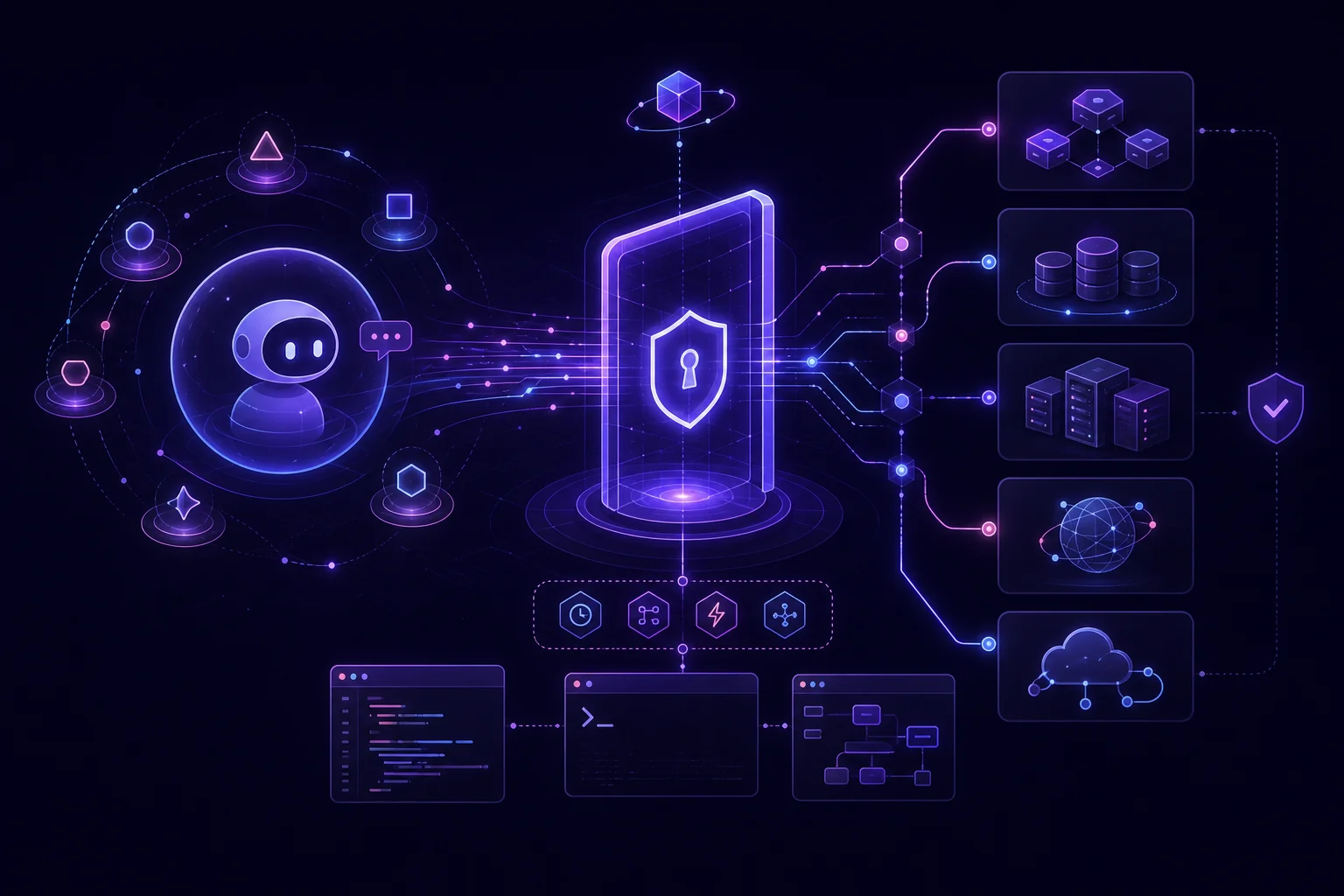
Autonomous SRE agent for Kubernetes safely investigating incidents, coordinating specialized agents, and preparing human-approved deployment rollbacks

An autonomous SRE agent should not have unrestricted access to your Kubernetes cluster. Its job is narrower: detect an incident, collect evidence, propose a reversible change, obtain approval when required, execute within strict limits, and prove whether the cluster recovered. The hard part is not generating a kubectl command. It is controlling when that command can run, preserving the previous state, and failing closed when the diagnosis is uncertain.

AI Lead Enrichment with a Scheduled Python Agent

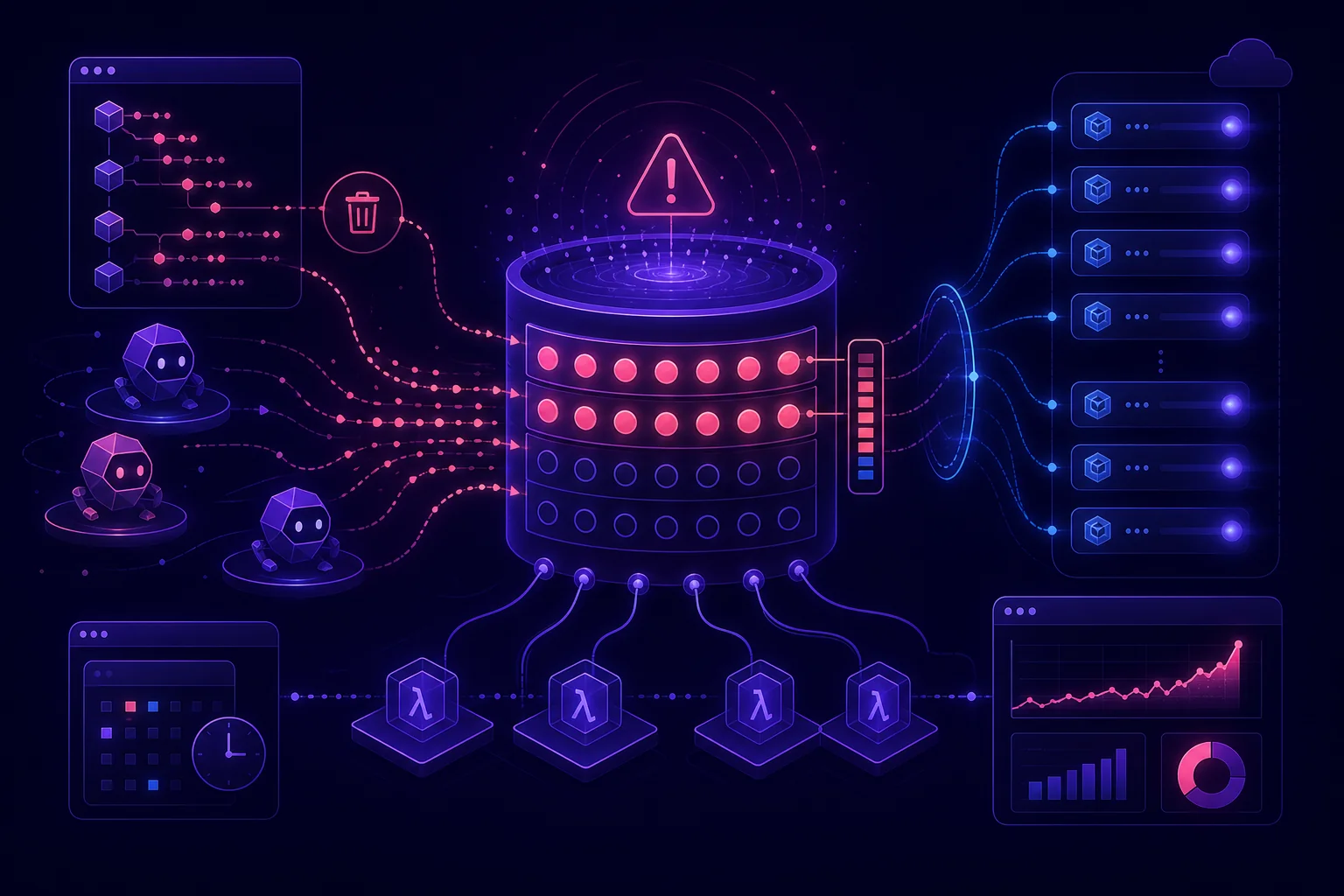
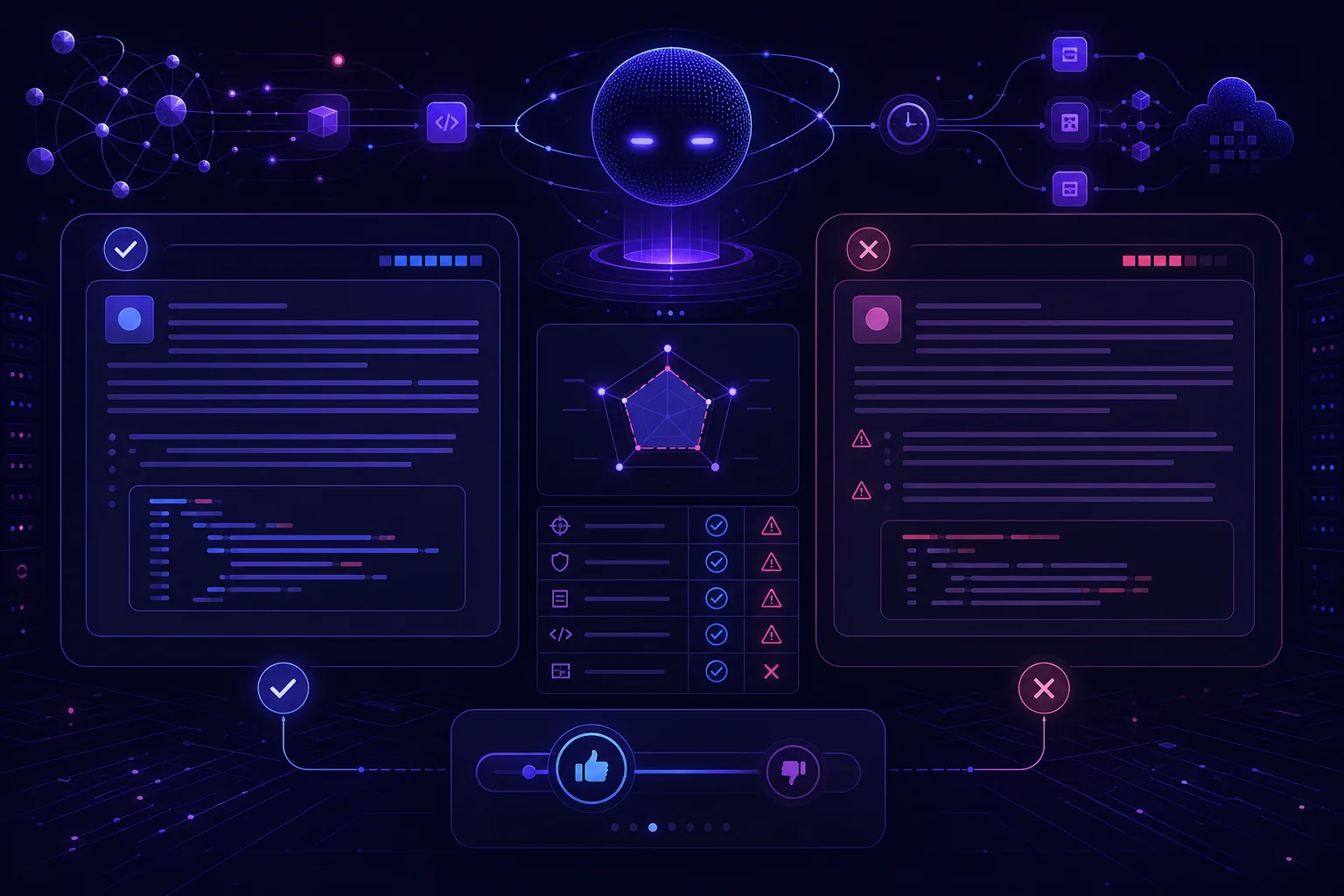
AI lead enrichment with a scheduled Python agent that automatically researches and updates contact and company data.

AI lead enrichment should not mean collecting everything an API can return. A production pipeline needs tighter boundaries. It should accept consented records, request only necessary fields, validate every response, and preserve where each value came from. It also needs safe retries and deterministic output.

OpenCode Hosting on Railway: No Docker Required

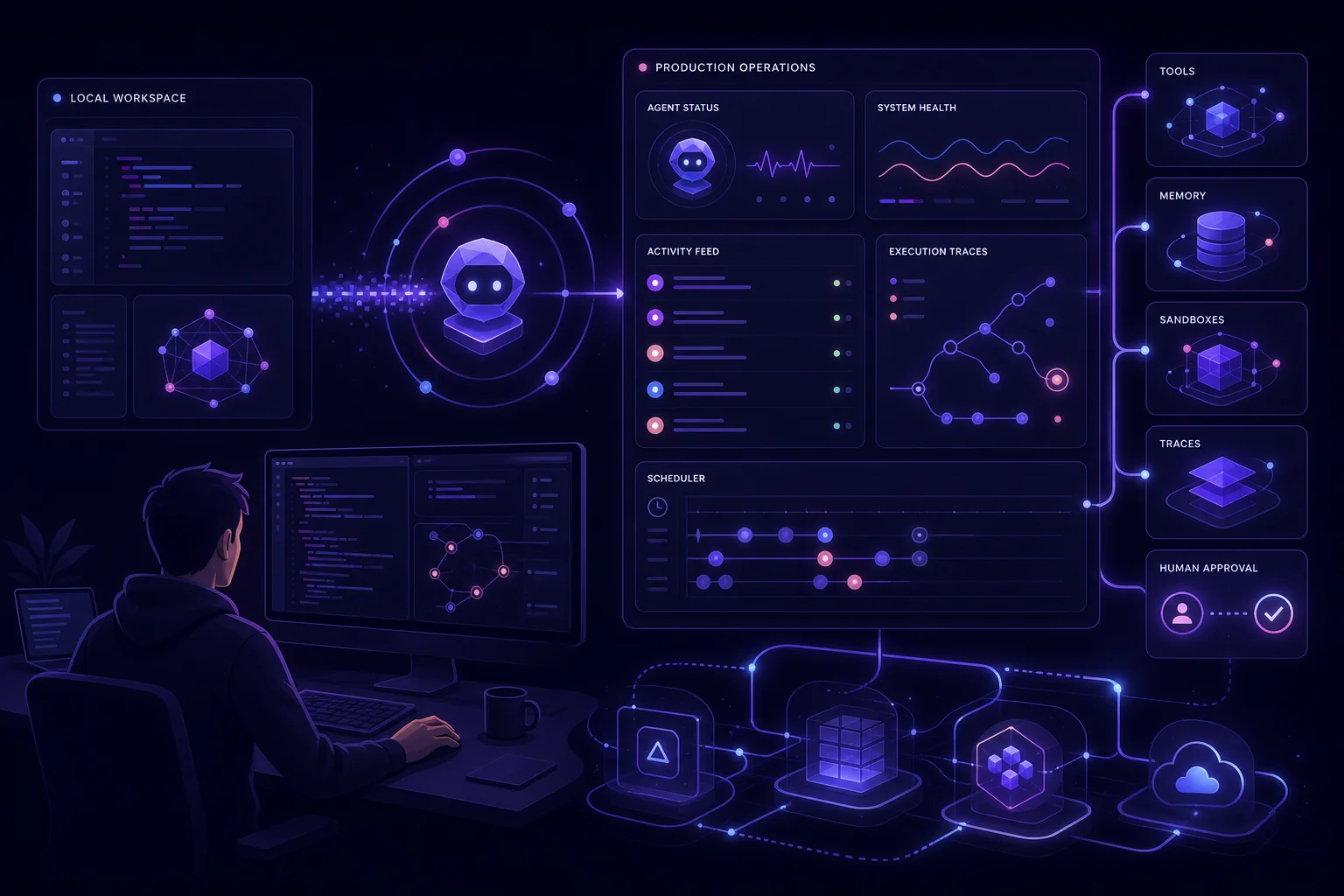
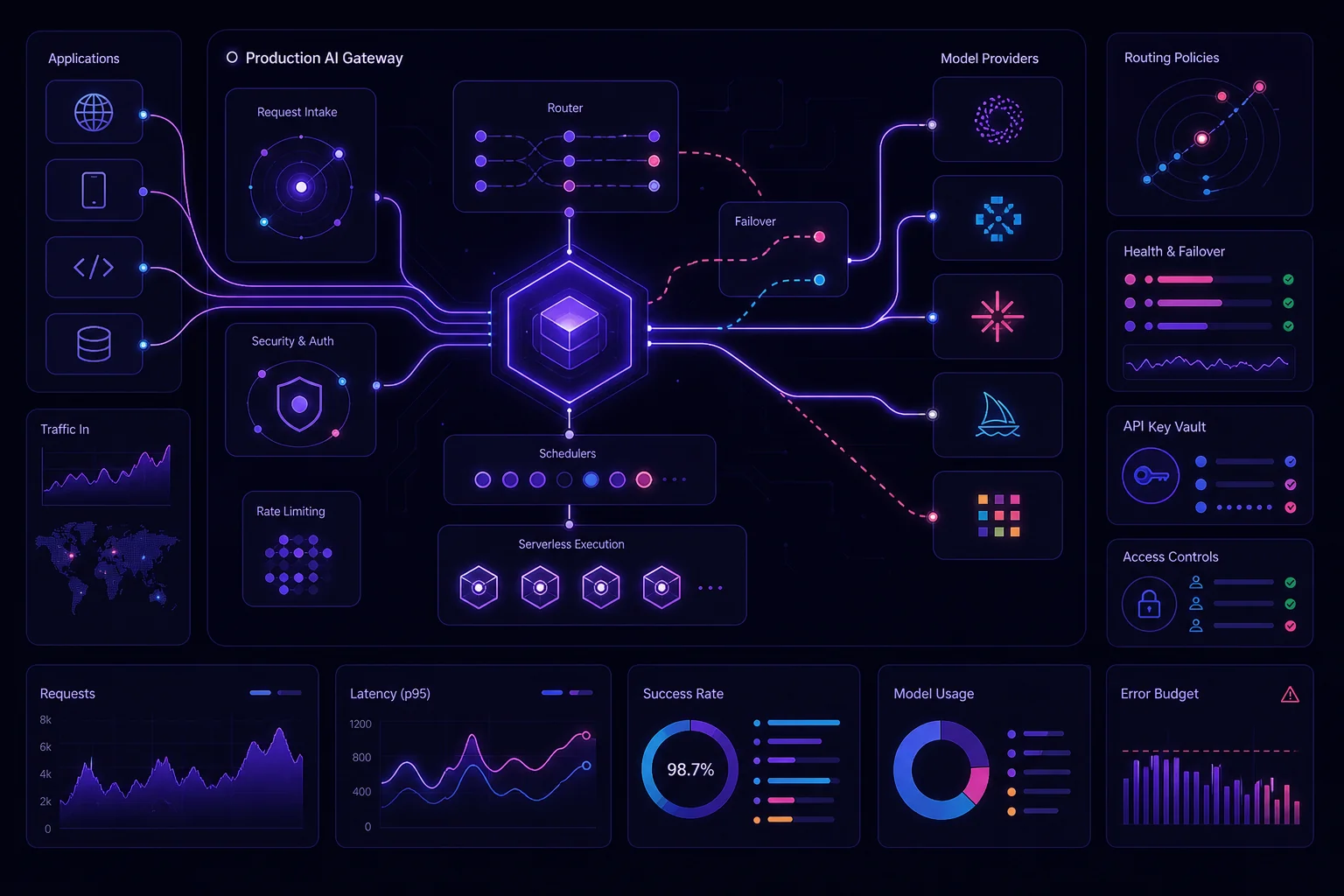
OpenCode hosting on Railway with a headless HTTP server, web interface, and secure API access without Docker

Running OpenCode locally is straightforward. Hosting it is where network binding, secrets, and persistent state become real concerns. Railway can run applications from a Git repository without requiring your own Dockerfile or Kubernetes cluster. For an OpenCode deployment, you must validate the selected package and runtime, bind to Railway’s port, listen on all interfaces, protect the public endpoint, and decide what must survive a redeploy.