Cron vs Daemon Agents: Choose the Right AI Runtime
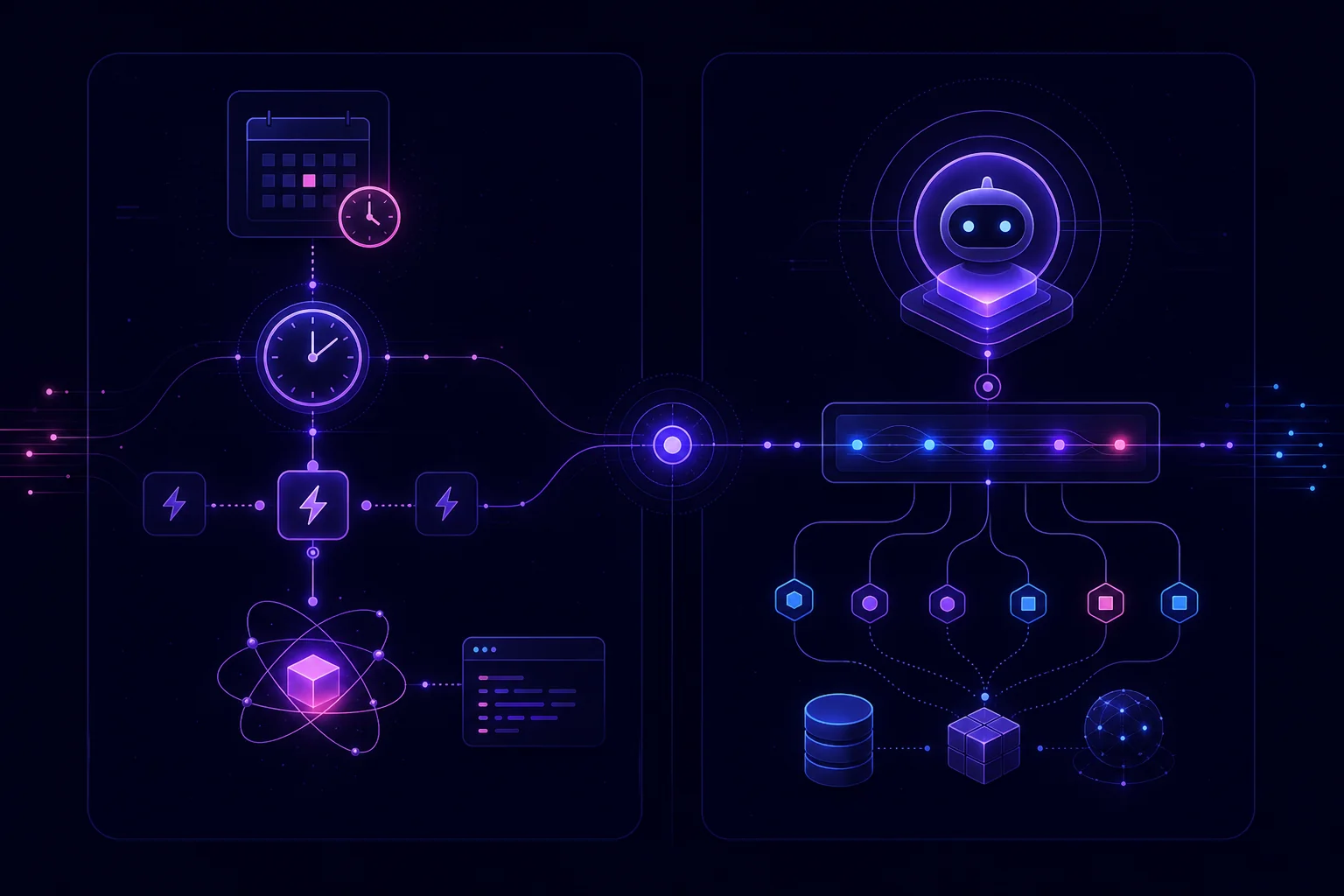
Your agent works locally. Now you need to decide how it should run in production. Should a scheduler start it, let it finish, and shut it down? Or should one process stay alive and wait for work?
Your agent works locally. Now you need to decide how it should run in production. Should a scheduler start it, let it finish, and shut it down? Or should one process stay alive and wait for work?
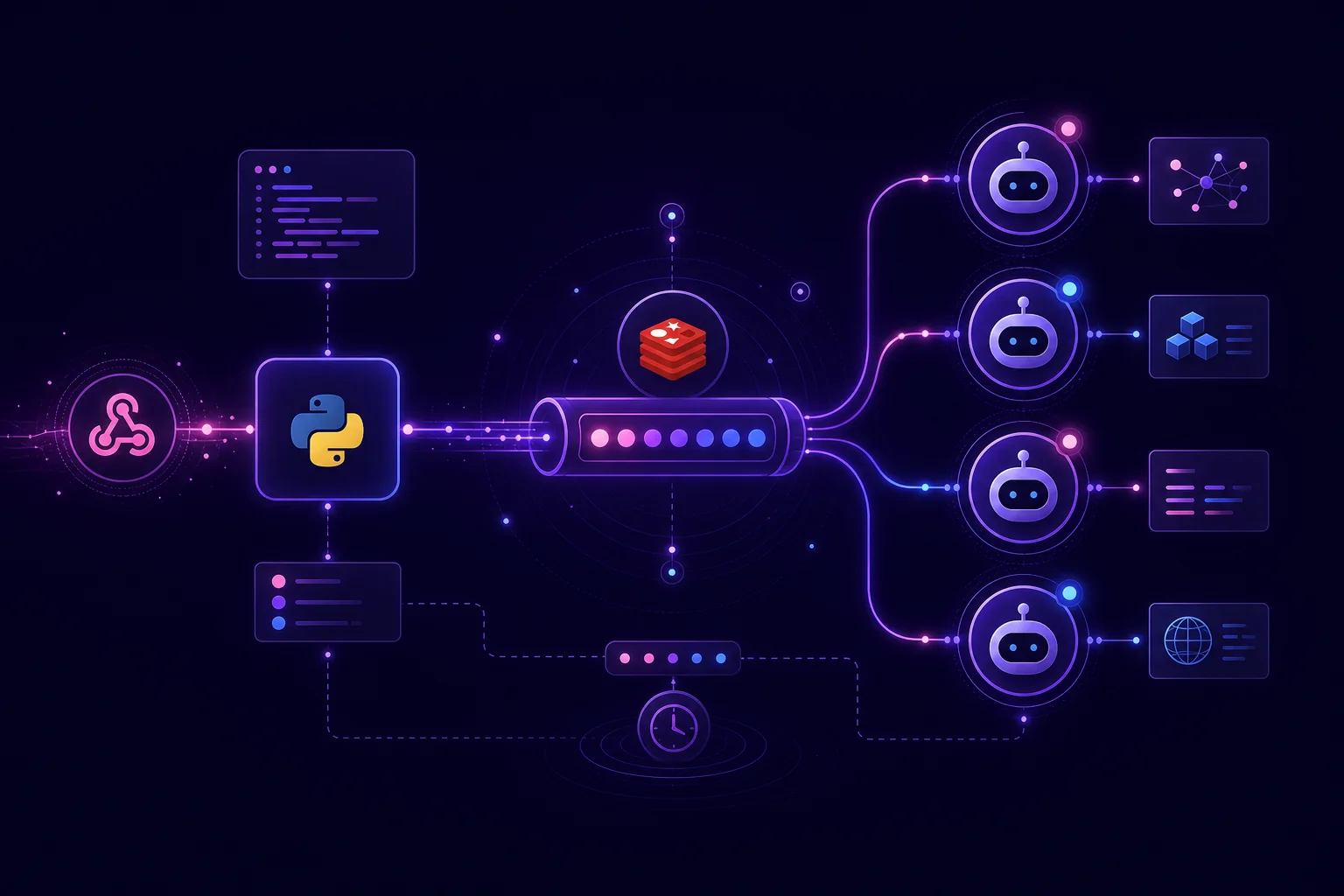
Polling is a poor fit when your agent should react to a specific change. A mix-review agent does not need to check storage repeatedly. It needs to run when the DAW export finishes.

Everyone asks "how much does it cost to run an AI agent?" and every answer is vague. Here are the real numbers — AWS pricing, actual compute usage, and the hidden cost most comparisons miss: your time.

"AI agent examples" is one of the most searched terms in the space — and most results are listicles with no code. Here are 10 agents you can actually build and deploy. Each has a real use case, the logic, and the deployment command.

Every article about AI agent security tells you it's important. Few show you how to do it.
If you're deploying autonomous agents in production, security isn't optional — it's the difference between a tool and a liability. Here's how to secure your Python agents with the same patterns used by production platforms.

Every article about AI agent observability tells you to buy a platform. Dynatrace. Arize. Galileo. They're great tools — if you have an enterprise budget and a dedicated observability team.
If you're a developer deploying autonomous agents in Python, you need observability that ships with your agent, not a separate SaaS subscription. Here's how to build it.

Search "AI agent workflow automation" and you'll land on n8n, Make, and Zapier — platforms that promise to automate your workflows with drag-and-drop builders. They're great for connecting SaaS tools. They're not great if you're a developer who wants to write code, control the logic, and deploy agents that run autonomously in production.

Search "autonomous AI agents" and you'll find two things: enterprise definitions from Microsoft and Salesforce, and Reddit threads asking "are there any actual autonomous agents out there?"
The skepticism is fair. Most of what's marketed as an "autonomous AI agent" is a ChatGPT wrapper with a cron job. But real autonomous agents exist — and they're built by developers who understand the architecture, not by no-code platforms stitching together SaaS integrations.
Here's how to build and deploy a genuinely autonomous AI agent in Python.

Search "AI agent automation" and you'll find no-code platforms promising to automate your workflows with drag-and-drop builders. That's fine if you're connecting SaaS tools. But if you're a developer building autonomous agents in Python — agents that call LLMs, query databases, send emails, and run on a schedule — the no-code story falls apart.
Here's the developer's path to AI agent automation: code you control, deployed to production, running autonomously.
Serverless changed how we deploy APIs. Now it's changing how we deploy AI agents — and for the same reasons: you shouldn't have to manage servers to run code.
But AI agents aren't APIs. They're long-running, stateful, and unpredictable. Can serverless actually work for them?
Yes — if you pick the right serverless model. Here's why.